Unique Conservatory Architecture: Glasshouse Masterpieces Around the World
Greenhouses and conservatories represent one of the rare intersections where structural engineering, climate control, and biological conservation converge. Far from simple glass sheds, these buildings pushed the boundaries of light, span, and material science in their respective eras.
From Victorian ironworks to modern biomorphic domes, here is a breakdown of four iconic structures that fundamentally changed greenhouse design around the world.
The Victorian Triumph: Palm House at Kew Gardens (London, UK)
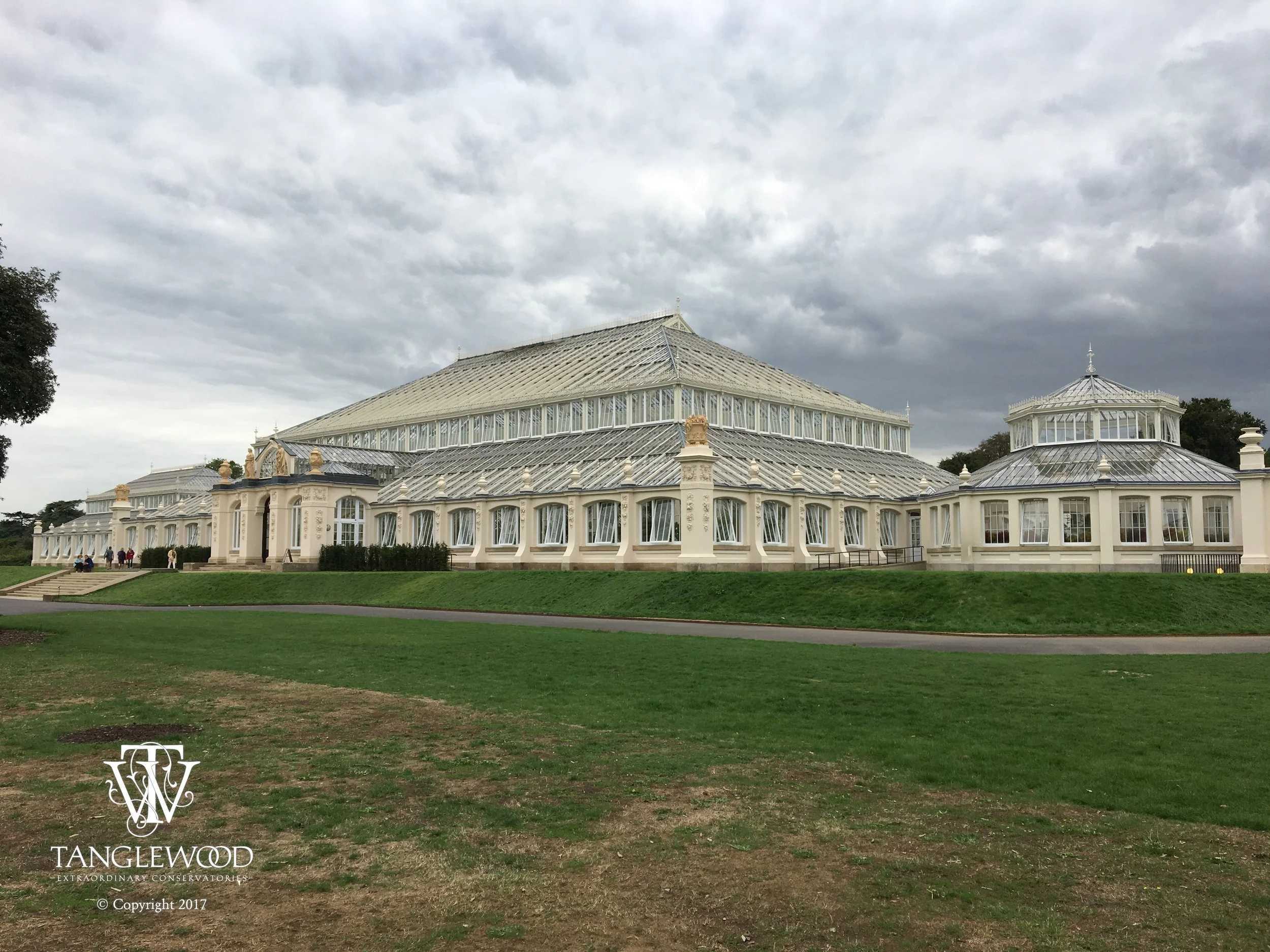
Built between 1844 and 1848 by architect Decimus Burton and iron founder Richard Turner, the Palm House at Kew Gardens was the first large-scale structural application of wrought iron.
The Architectural Breakthrough: Burton and Turner borrowed techniques directly from shipbuilders, using wrought iron beams shaped like inverted ship hulls to achieve sweeping, column-free interior spans.
Engineering Marvel: Traditional glasshouses relied on heavy masonry piers that blocked sunlight. By combining curved wrought iron ribs with hand-blown sheet glass, the Palm House achieved maximum light transmittance, mimicking tropical rainforest conditions in cold English winters.
Geometric Modernism: Muttart Conservatory (Edmonton, Canada)
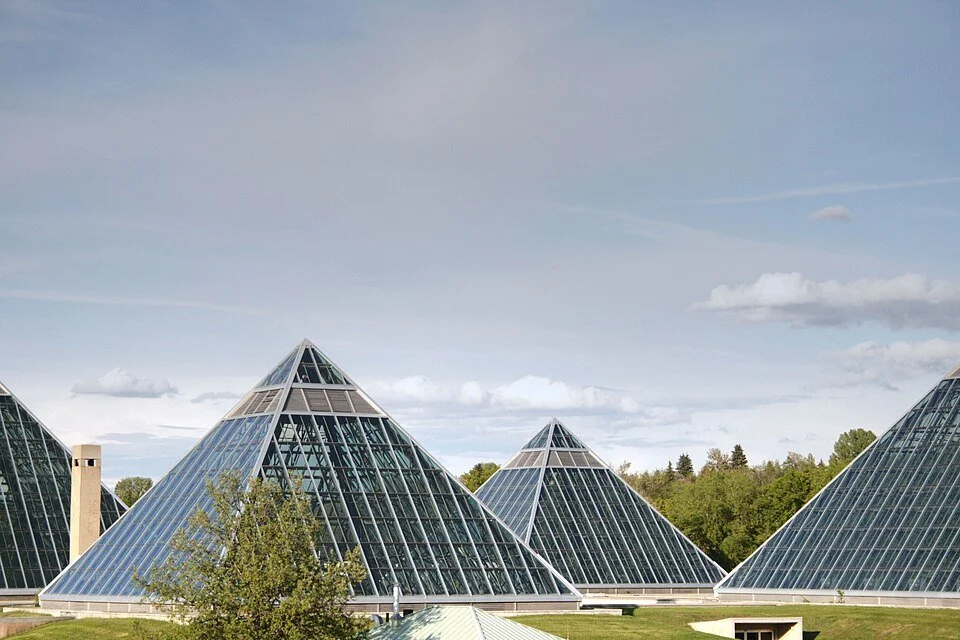
Designed by architect Peter Hemingway and opened in 1976, the Muttart Conservatory demonstrates how sharp, non-traditional geometries can solve extreme climatic challenges.
The Architectural Breakthrough: Rather than building a single sprawling complex, Hemingway designed four distinct glass pyramids clustered around a central subterranean atrium.
Engineering Marvel: Edmonton experiences extreme seasonal temperature swings. The sharp 45-degree pitch of the pyramid walls sheds heavy snow loads in winter while maximizing solar thermal gain during low-angle sunlight hours. Each pyramid operates on an independent HVAC system tailored to different biomes (Arid, Temperate, Tropical, and Seasonal).
Biomorphic Sustainability: Gardens by the Bay Cloud Forest (Singapore)

Designed by Wilkinson Eyre and Grant Associates (opened 2012), the Cloud Forest dome at Gardens by the Bay reimagines the greenhouse as a high-efficiency biome in a tropical climate.
The Architectural Breakthrough: Unlike northern greenhouses built to capture heat, this dome keeps hot tropical air out while maintaining a cool, moist cloud forest environment inside.
Engineering Marvel: The glass grid-shell structure features low-emissivity (Low-E) glass panels that selectively allow visible light to pass while reflecting infrared heat. Internal cooling is powered by a waste-to-energy biomass engine, making it a benchmark for sustainable architecture.
*Photo Credits: Muttart Conservatory: WinterE229 Gardens by the Bay Cloud Forest: Photo Credit: Dietmar Rabich