Decimus Burton and the Legacy of the Modern Conservatory
Long before the conservatory became a beloved extension of the home, 19th-century architects were experimenting with glass, iron, light, ventilation, and heating to create remarkable spaces for plants and people. Among the most influential was Decimus Burton.
Born in London in 1800, Burton became one of Britain’s leading architects, renowned for his elegant classical designs and his pioneering work with glasshouses and conservatories.
A Pioneer in Glasshouse Design
Burton’s work helped transform the glasshouse from a practical structure for protecting plants into an elegant architectural space. His designs carefully considered natural light, ventilation, heating, and the needs of the plants within.
His most celebrated work includes the Palm House at Kew Gardens, designed with engineer Richard Turner between 1844 and 1848. Its innovative combination of iron and glass created a warm, light-filled environment for tropical plants, with ventilation and heating systems designed into the structure.
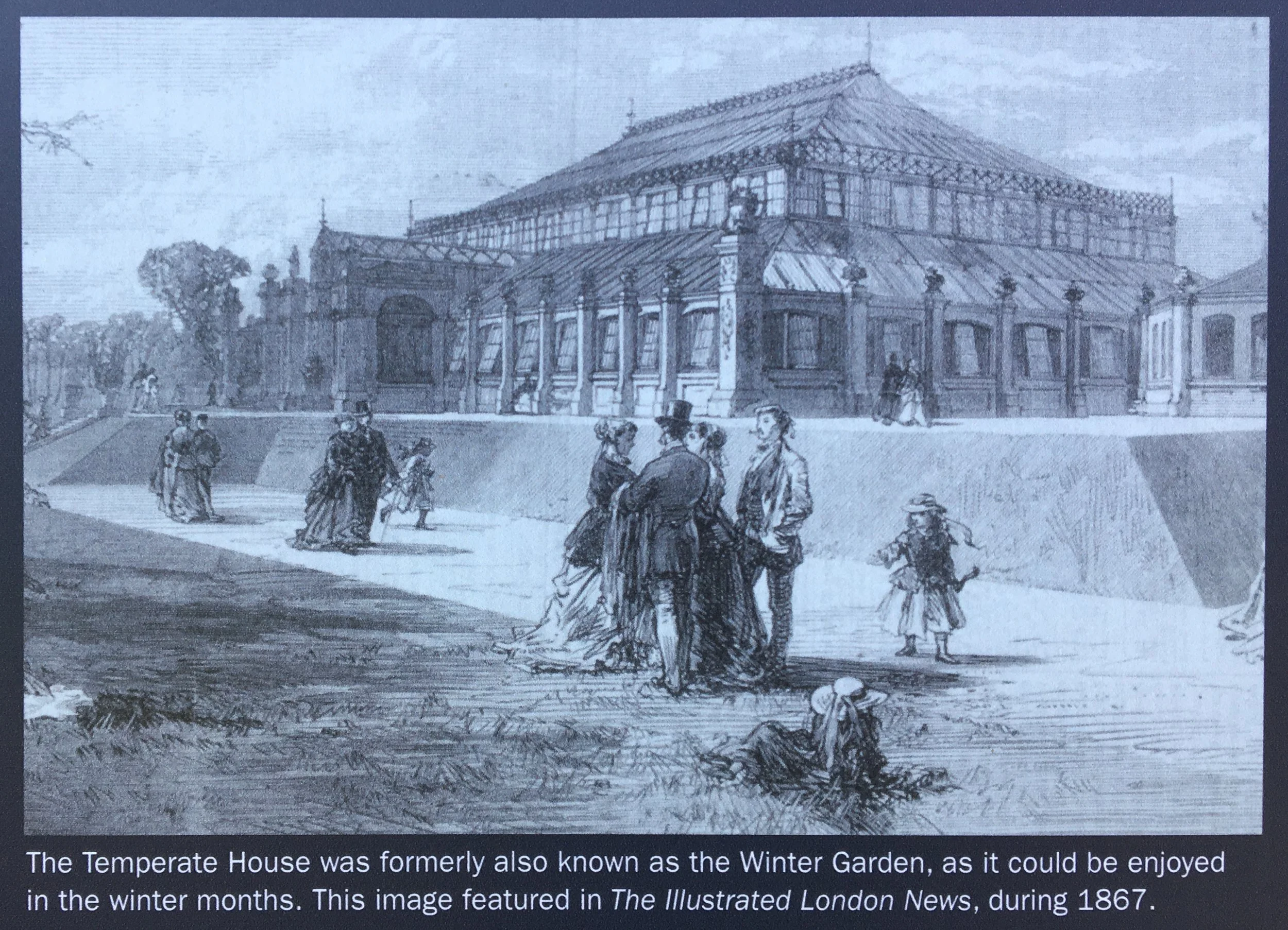
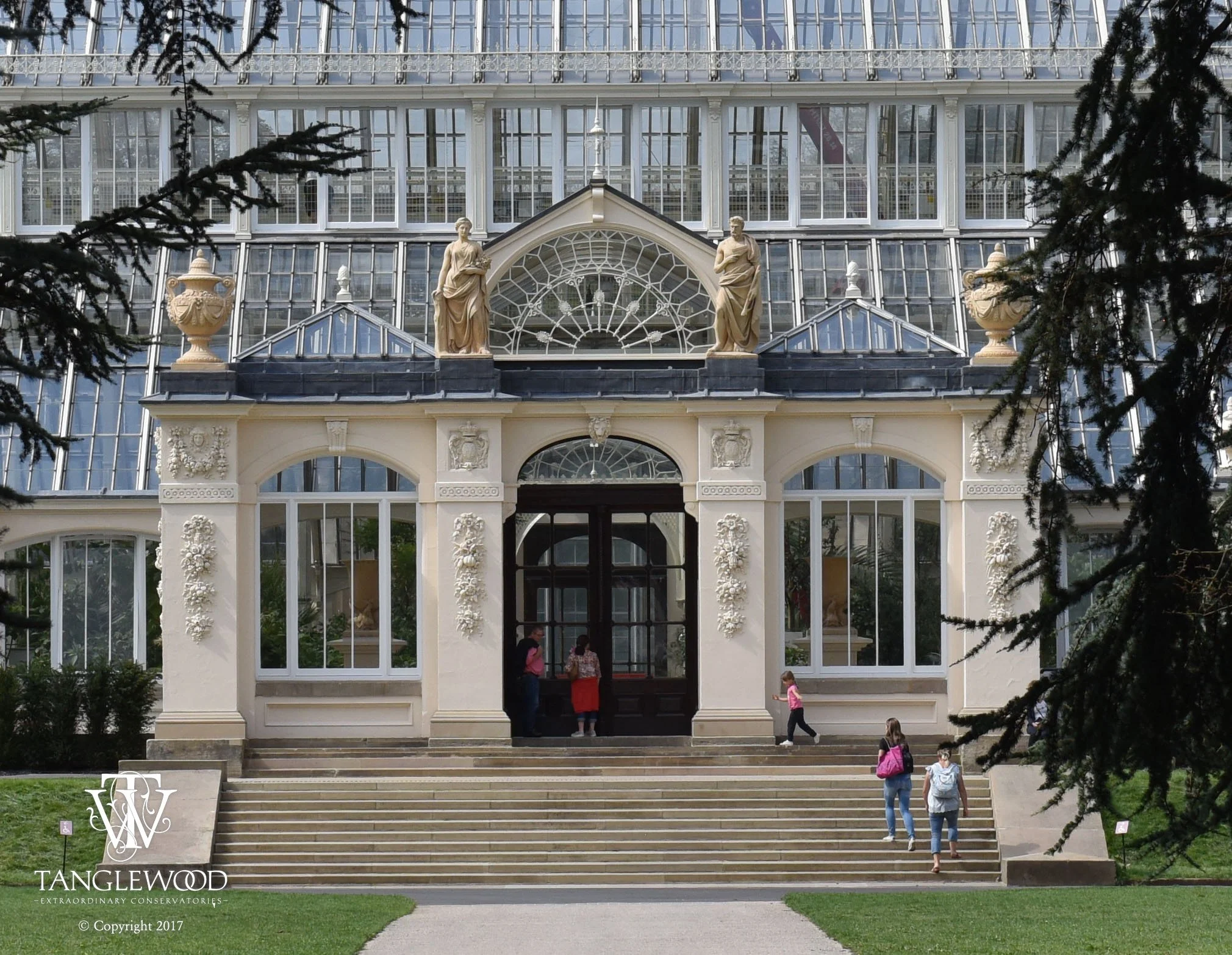
Burton later designed the Temperate House at Kew, which became the largest Victorian glasshouse in the world. Many of the principles behind these buildings—maximizing natural light, managing temperature and ventilation, and creating a seamless relationship between indoor and outdoor spaces—remain central to conservatory design today.
A Lasting Legacy
More than 175 years later, Burton’s influence can still be seen in the way we think about conservatories. Modern technology has transformed the materials and systems we use, but the fundamental idea remains the same: creating beautiful, light-filled spaces that bring nature closer to everyday life.
Decimus Burton helped pave the way for that idea—and his architectural legacy continues to inspire conservatories today.