Where Did The Idea For Residential Conservatories, Orangeries, and Greenhouses Originate?
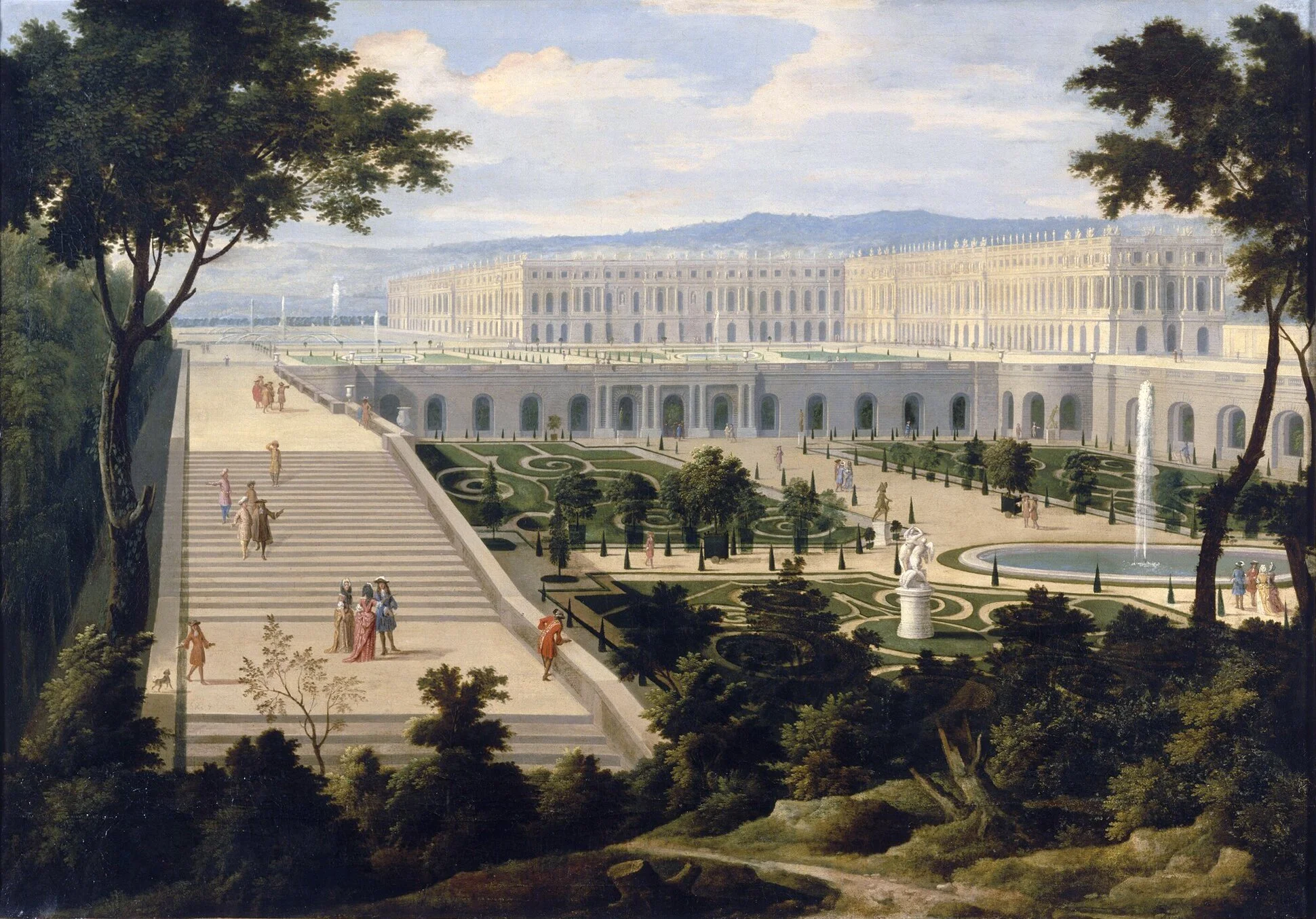
The desire to create residential conservatories, orangeries and greenhouses has been around since the days of Emperor Tiberius. Doctors informed him that he needed to eat fruits from the melon and cucumber family every day for his health. However, how does one grow these products year-round with the hazards of summer’s intense heat and winter’s biting cold?
During that time, gardeners moved each garden bed outdoors during the day, then transferred them back indoors every evening to protect them from the harsh elements. This method continued for years until the Roman Empire built the earliest orangeries to protect highly sought-after citrus.
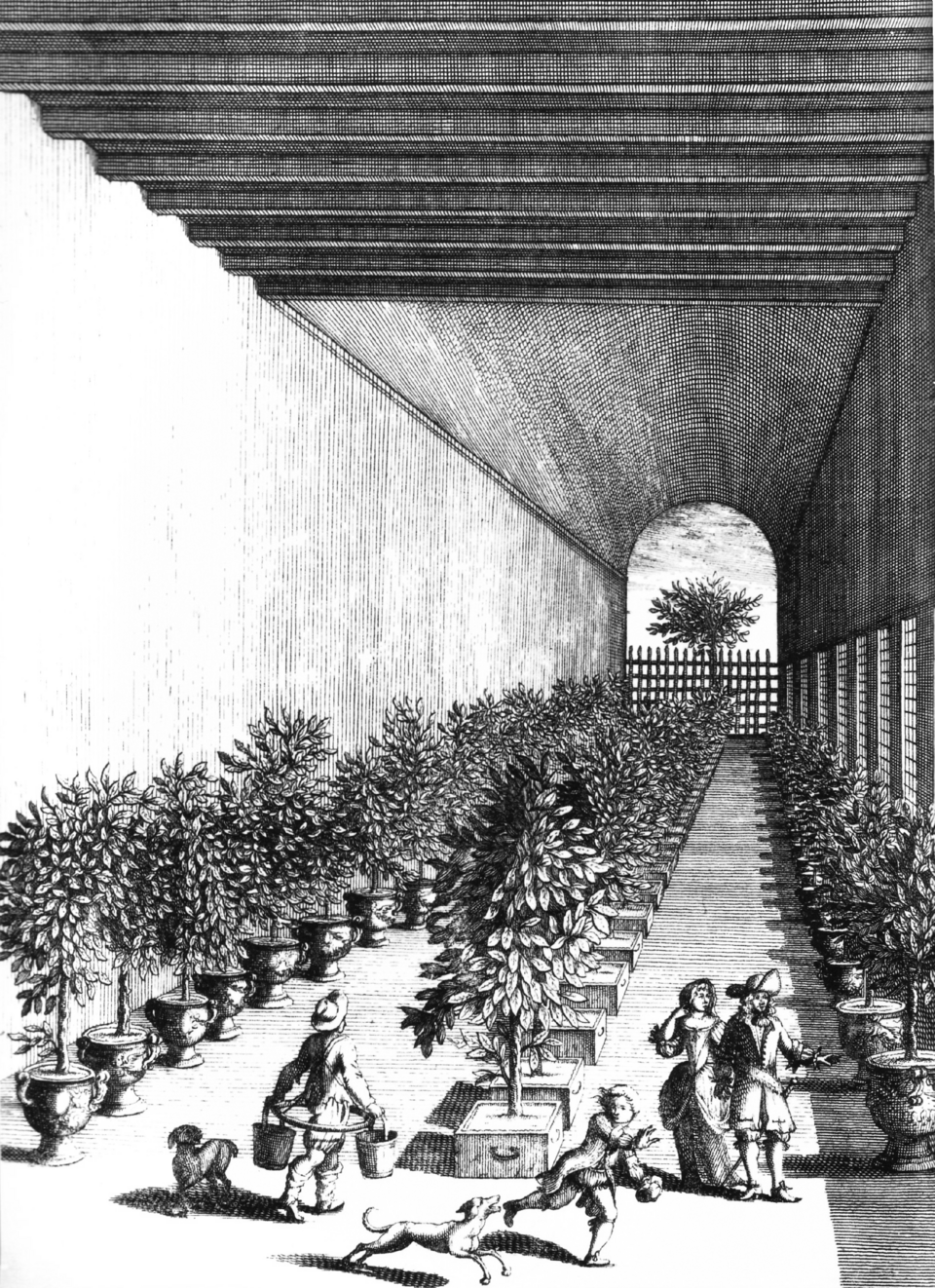
Source: Scan aus einem Buch; Original: University Library Leiden, Collectie Bodel Nijenhuis, WikiMedia
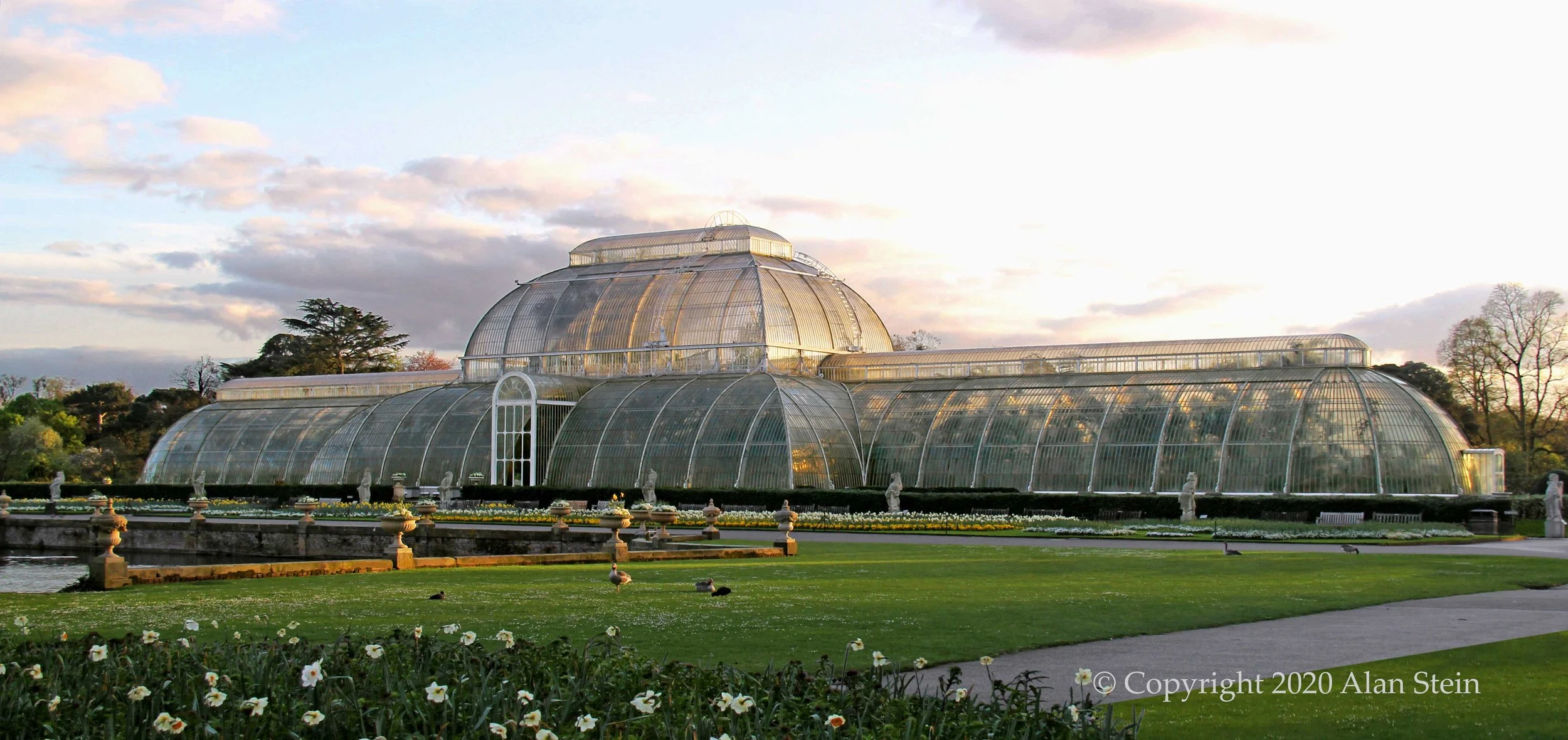
As resources such as glass became more accessible, the early greenhouses were a more advanced method for plant growth by increasing the amount of glass that made up the structure. Some of the world’s most beautiful conservatories and greenhouses came from this new technology, such as the Great Syon Park Conservatory, the Palm House at Kew Gardens, and the Schoenborn Palm House in Vienna. The concept of residential conservatories, however, did not arise until insulated glass became available in the 1970s.
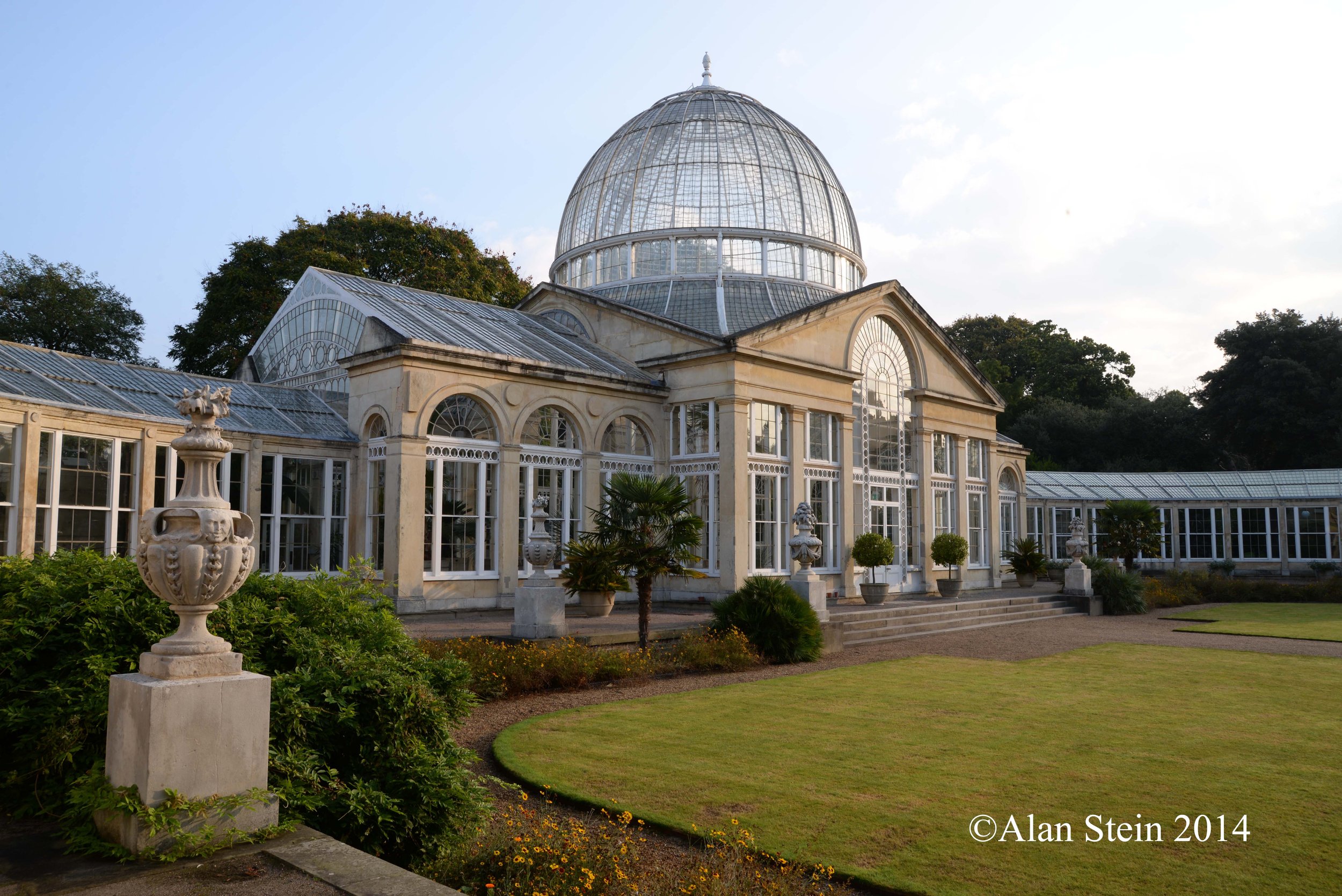
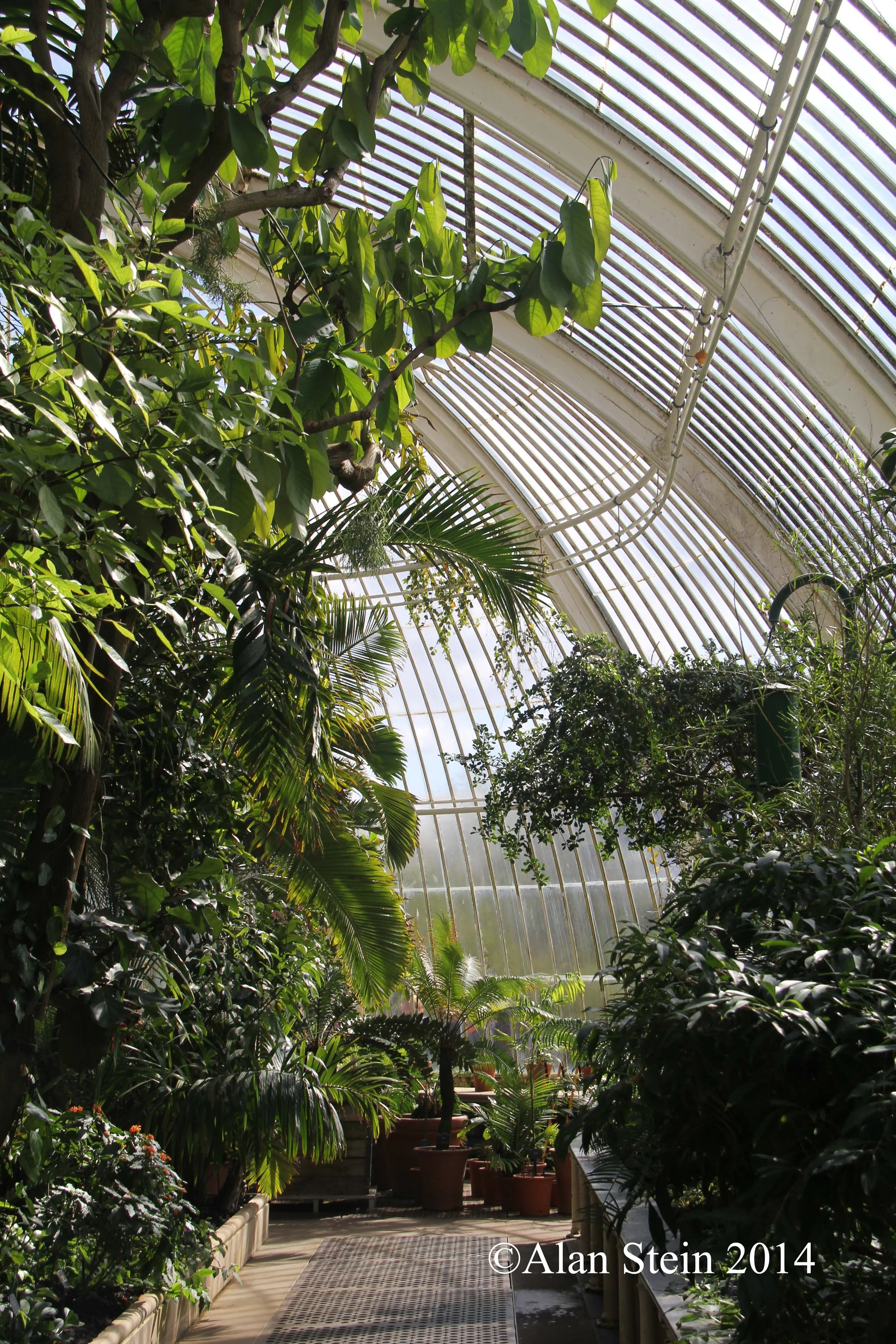
![04_Cons_ch4_018[1A]_copyright.jpg](https://images.squarespace-cdn.com/content/v1/5f11b7e4e3277041fd2580c6/1769711683082-RNR1LMKB2AUCURWWDXMS/04_Cons_ch4_018%5B1A%5D_copyright.jpg)
According to Alan Stein, co-author of “The Conservatory: Gardens Under Glass”,
“…the idea of taking a greenhouse, which is primarily used for plants, and turning it into a living space started happening in the 1970s… insulated glass was invented and became widespread in construction so that allowed you to take a greenhouse which normally would be kind of cold and drafty and design and build rooms which could be heated and cooled, kind of like the rest of your house…”
Today, we associate residential greenhouses with growing plants where the primary focus is on the health and growth of the plants. Residential conservatories serve as an extension of your home, an insulated living space that helps you connect more with nature and people.
To learn more about the fascinating history of conservatories, orangeries, and greenhouses, purchase your copy of The Conservatory: Gardens Under Glass via the link below!