THE GREAT PALM HOUSE IN TORONTO
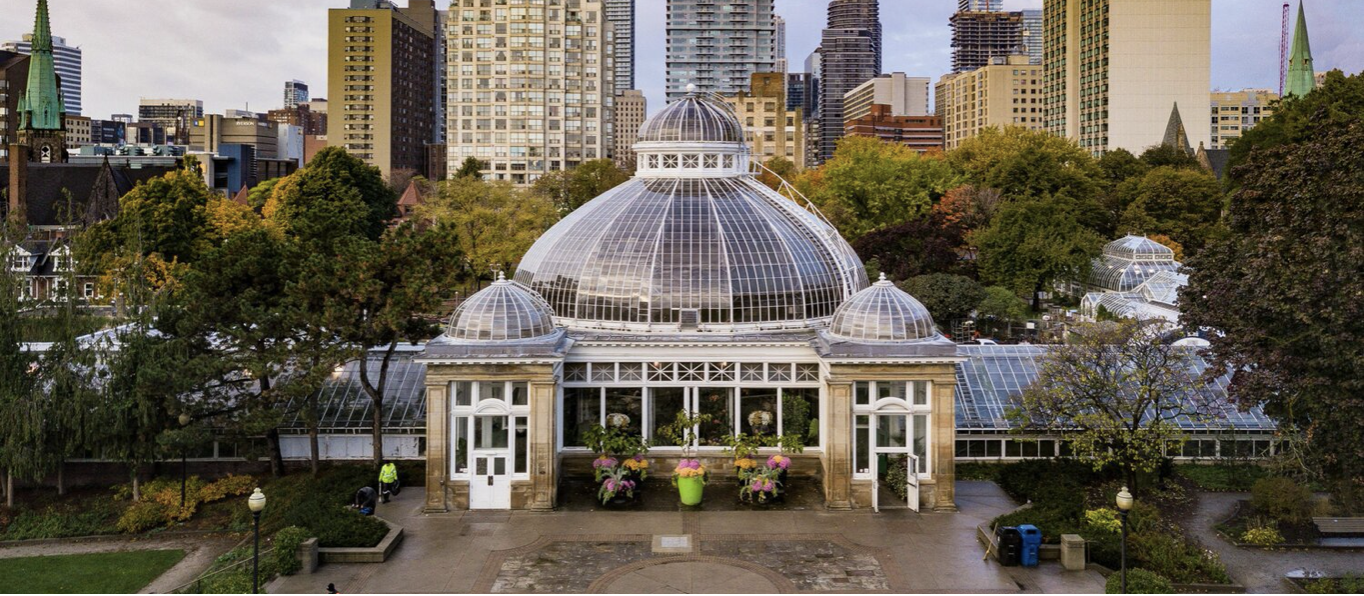
Photo courtesy of The Friends of Allan Gardens
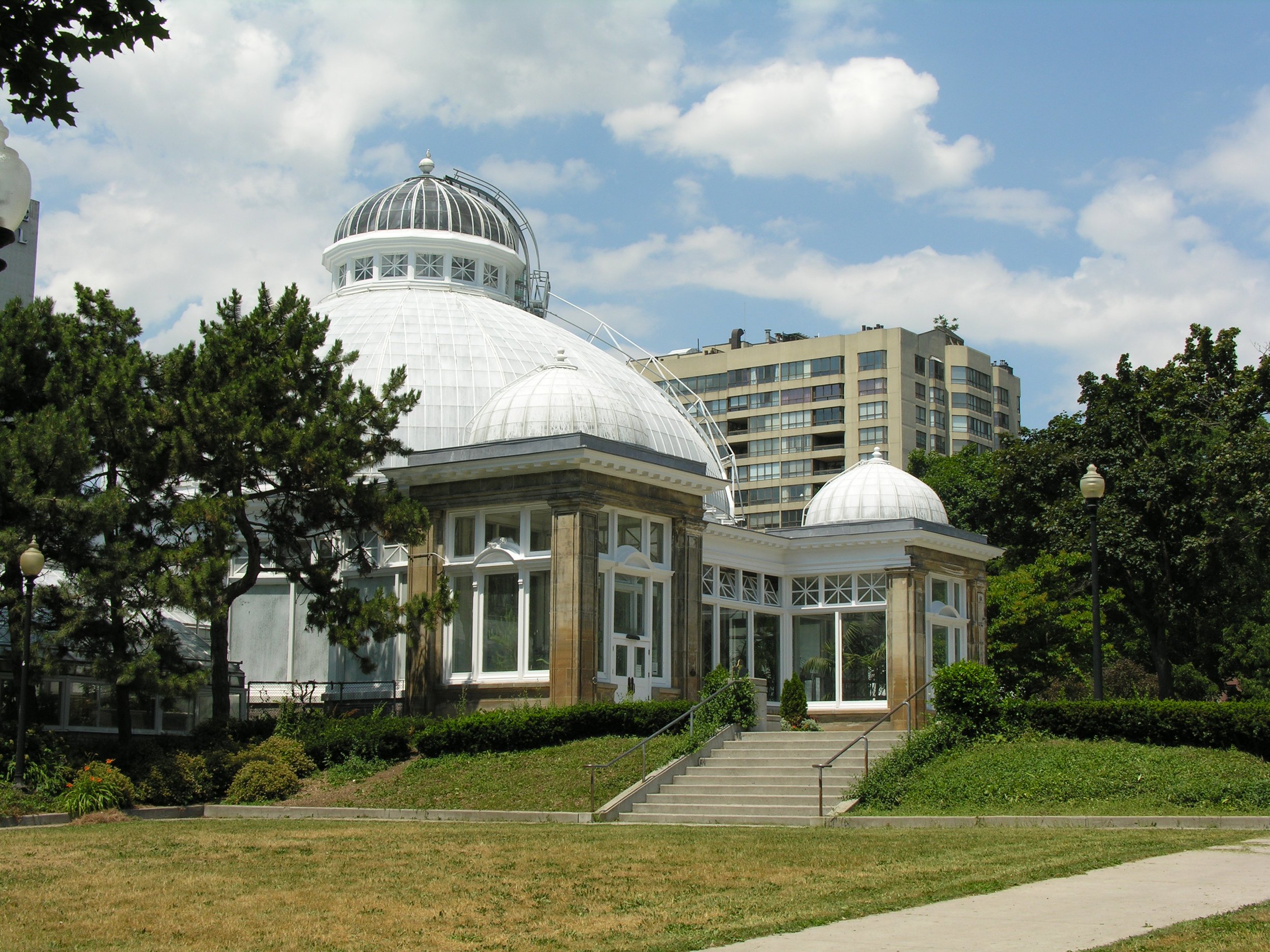
Allan Gardens Park, a popular tourist attraction in Toronto, Canada, has a beautiful architectural landmark nestled within the grounds!
Have you had the chance to tour it?
Fulfilling a Mission: The Palm House at Allan Gardens
Allan Gardens Park is a beloved historic green space in downtown Toronto. Since the park’s early days, Allan Gardens has played an instrumental role in exposing generations of visitors to plant diversity. Originally established in 1858 on land donated by Toronto mayor George William Allan, the park became home to botanical displays and a conservatory that welcomed the public in an era before large municipal green spaces were common.
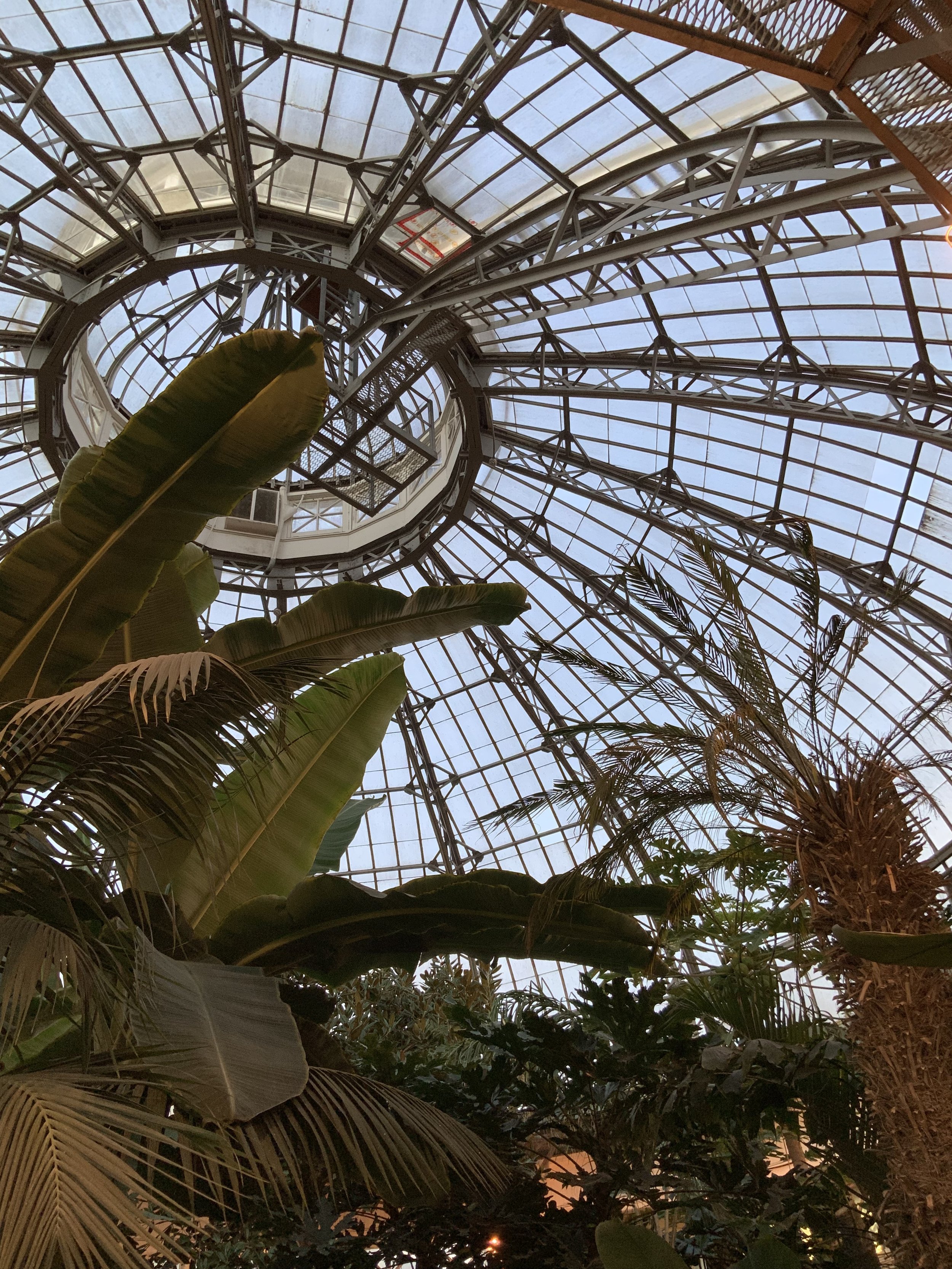
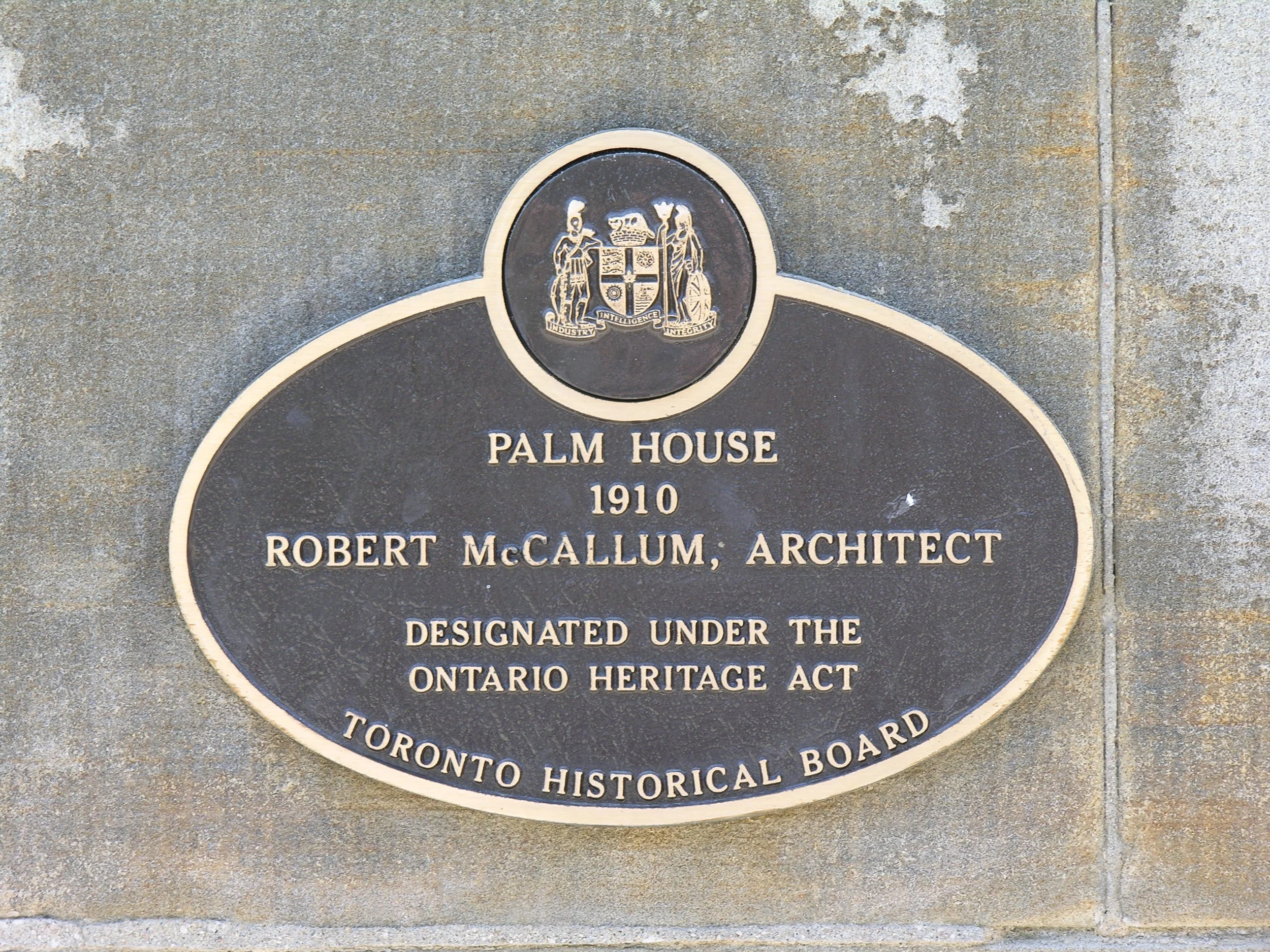
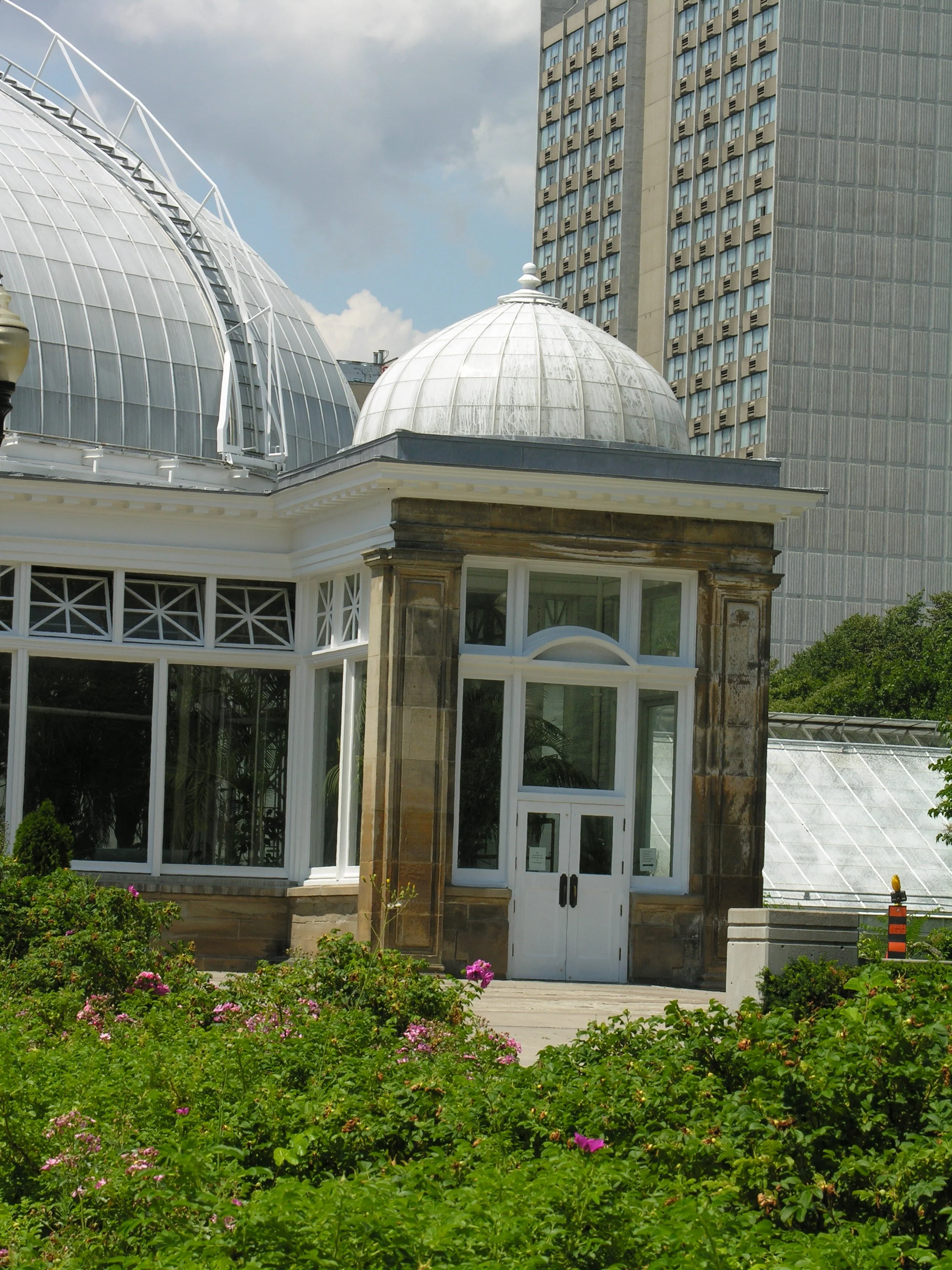
At the core of this legacy stands the Palm House, a testament to how thoughtfully designed conservatories can educate, inspire, and connect people to the plant world. Designed by City of Toronto architect Robert McCallum, the Palm House was completed in 1910 after a fire destroyed the earlier conservatory structures. Its striking steel-and-glass dome — sometimes called “The Dome” — is not only a reminder of early 20th-century glasshouse engineering but also a striking architectural form that echoes Britain’s Victorian palm houses while asserting its own Edwardian character.
A study in symmetry, repetition, and contrast, the Palm House was conceived to highlight tropical plant collections under a soaring central dome that bathes the interior in light. Over the decades, it developed an impressive assemblage of orchids, hibiscus, cacti, and palms — at one point housing Toronto’s largest collection of Pandanus (Madagascar tropical pine).
More than a showpiece, the Palm House helped fulfil the park’s early mission to educate and inspire. Allan Gardens’ greenhouses nurtured exotic species long before global botanical exchange was commonplace, making it a vital public resource for horticultural education in Canada.
Restoring a Legacy
Between 2022 and 2025, the Palm House underwent a major heritage restoration led by heritage specialists and architects, addressing deteriorated glass, improving ventilation and climate control systems, and restoring original architectural elements like the eastern entrance. The project — a roughly $11.3 million investment — ensured structural longevity and accessibility while preserving its defining heritage features for future generations.
When the Palm House reopened in May 2025, it was celebrated both for its architectural grace and its renewed role as a living, communal space — one that now functions as a flexible horticultural and community gathering venue while still housing species from around the world.
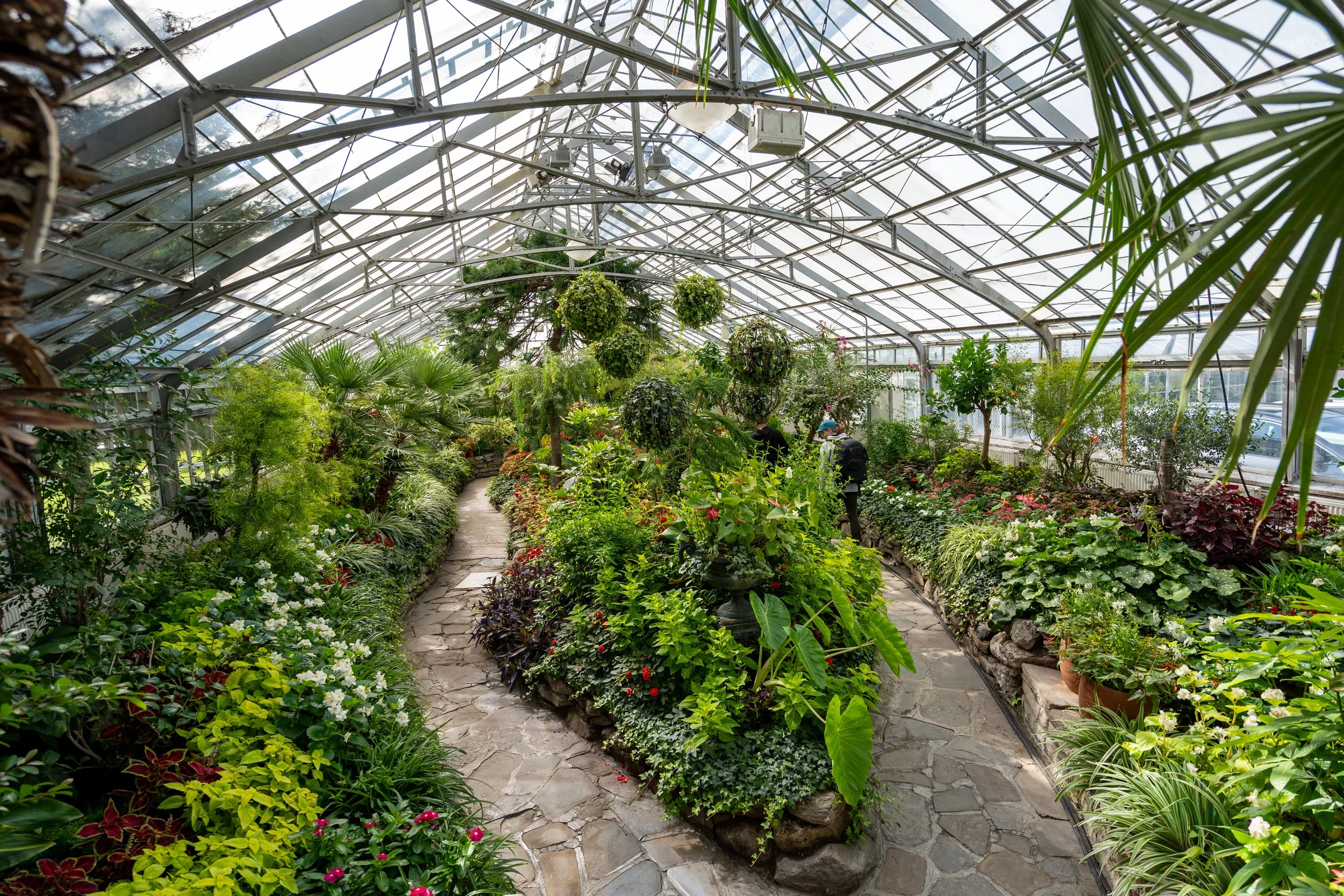
Today, visitors can wander beneath the Palm House’s glowing dome and glimpse palms, tree ferns, and seasonal displays, reminding us that conservatories are a place where design and nature meet in the heart of a community.
Join us as we document and preserve the world’s great glasshouses. Explore more historic conservatories from around the world and follow along on social media to stay connected!
Photo Credits: Interior full room photo courtesy of Rosco1011, 21 September 2025, WikiMedia CCASA 4.0