Victor Horta and the Art Nouveau Influence on Conservatory Design
Flowing lines. Structural honesty. Light as a design element. These principles sit at the heart of Victor Horta’s work and continue to influence how we experience architecture today.
Born in 1861, Belgian architect Victor Horta emerged at the turn of the 20th century as one of the defining figures of the Art Nouveau movement. Rejecting rigid historical styles, Horta embraced organic form, allowing buildings to feel alive—shaped by movement, light, and material truth. His architecture celebrated modernity while remaining deeply connected to nature, a balance that feels especially resonant within conservatory design.
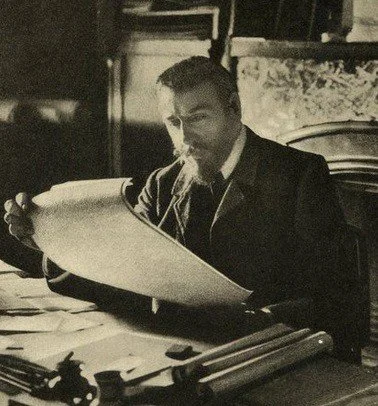
Horta is best known for his Brussels townhouses, including Hôtel Tassel and Hôtel Solvay, where iron and glass were no longer hidden structural necessities but expressive design elements. Slender iron columns branched like plant stems, staircases curved with vine-like grace, and daylight poured through skylights and glazed surfaces. Structure and ornament became one and the same.
The Art Nouveau Influence on Conservatory Design
This new way of experiencing architecture set a new tone for conservatory design, elevating glass, iron, and steel from purely functional materials into works of art in their own right. Under this lens, conservatories became architectural jewels—spaces where structure was celebrated, craftsmanship was visible, and light transformed iron frameworks and glazed surfaces into expressive, living compositions. Like Horta’s interiors, conservatories rely on transparency, structural clarity, and the careful orchestration of light. Iron frameworks are not concealed; they are celebrated. Glass is not simply enclosure—it is an invitation to experience the surrounding landscape while remaining sheltered within it.
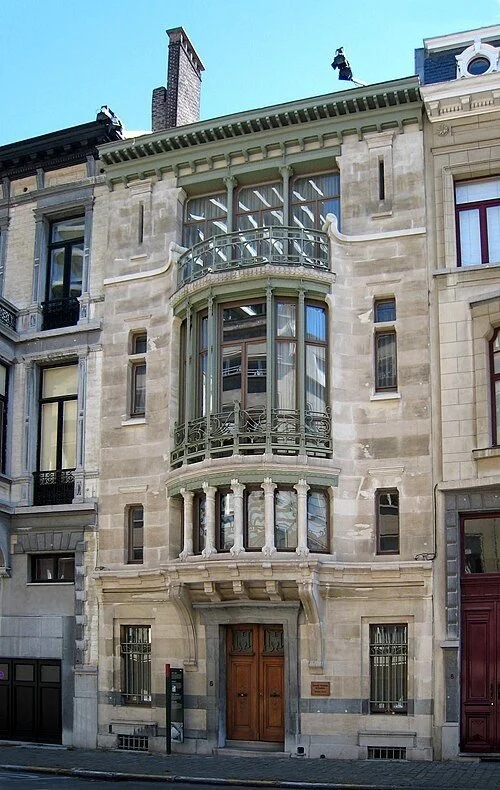
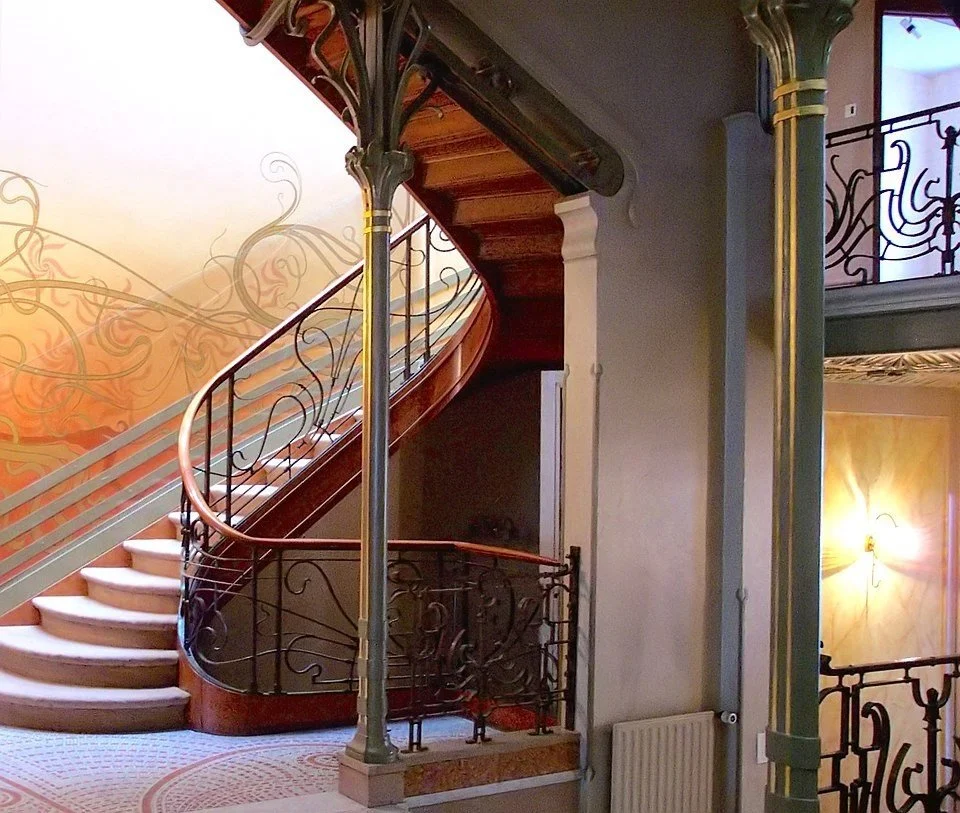
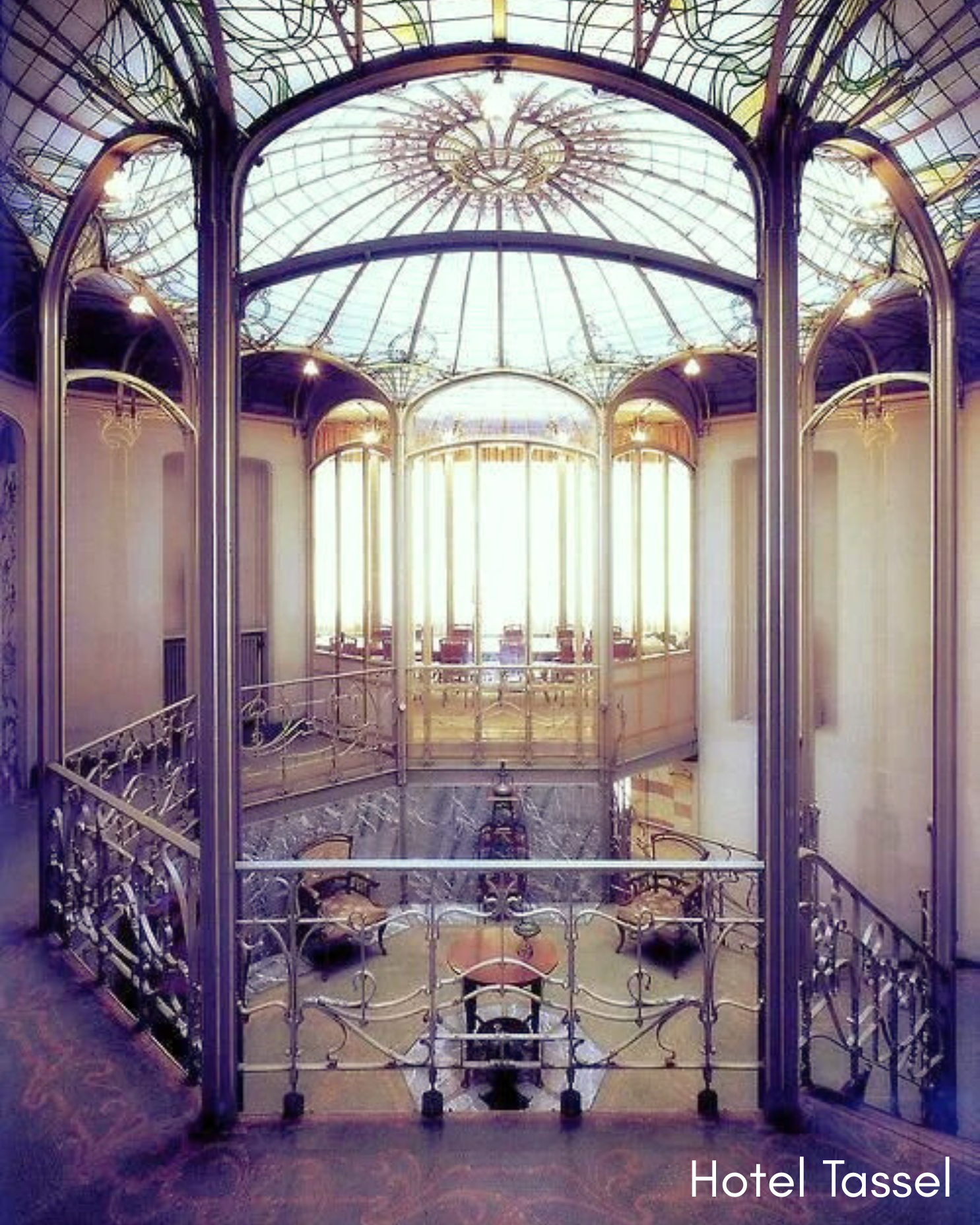
Horta’s work helped redefine how architecture could engage with nature without imitating it. Instead of copying historical forms, he abstracted natural rhythms into structure and space. This approach paved the way for conservatories to be understood not just as garden buildings, but as architectural expressions of harmony between human craft and the natural world.
Earlier this month marked Victor Horta’s birthday, offering a timely moment to reflect on his lasting influence. More than a stylistic pioneer, Horta reshaped how materials, light, and movement could work together to create immersive environments—an architectural legacy that continues to inform the design and appreciation of conservatories around the world.
At Conservatory Heritage Society, we celebrate figures like Victor Horta for expanding the possibilities of architectural design and for inspiring spaces where nature and structure exist in meaningful dialogue.
Follow along with us to continue exploring the amazing story of conservatory design.
*Images sourced from WikiMedia and Reddit